
Low Stomach Acid & Its Impact on Digestion
Written by Kelcie Rosendahl, ND
It is widely known that too much stomach acid can cause issues such as acid reflux and ulcerations in the GI tract. However, low levels of stomach acid, also known as hypochlorhydria, can also be problematic.
Hydrochloric acid (HCL) is the primary gastric acid secreted by our stomach. HCL plays critical roles in digestion and the regulation of pH in the stomach.
It assists in protein digestion, helps to prevent bacterial and fungal overgrowth in the stomach and small intestine and encourages bile flow and the release of pancreatic enzymes which facilitates the absorption of many nutrients.
What Is Hydrochloric Acid and Why Does It Matter?
Hydrochloric acid is essential for the chemical digestion of proteins to take place. HCL is a component of "gastric juice", a mixture of compounds secreted by the stomach during digestion. Gastric juice also contains pepsin, the main enzyme involved in protein digestion.
Pepsin breaks down proteins into smaller components that can be readily absorbed in the small intestine. Pepsin is released in its inactive form, pepsinogen, by cells located in the lining of the stomach. Pepsinogen requires an acidic environment to be converted into pepsin.
This is where HCL comes into play, as adequate amounts of HCL are necessary to create the acidic environment needed to activate pepsin and digest proteins. The acidic pH created by the presence of HCL also helps to make the stomach and small intestine inhospitable terrain for bacteria and other pathogens to grow.
How Low Stomach Acid Affects Gut Bacteria and Pathogen Defense
Bacteria and other pathogens have a difficult time thriving in acidic environments. The pH of a healthy stomach is between 1.0-2.0. This low pH helps keep the G.I. tract more sterile by creating a terrain that is difficult for pathogenic bacteria to thrive in.
Harmful bacteria begin to overgrow when the pH becomes more basic, or rises over 4.0. Overgrowth of harmful bacteria can lead to bloating, gas, abdominal pain, certain types of cancer and decreased absorption of vitamins and minerals.

The Role of Stomach Acid in Nutrient Absorption
Besides preventing overgrowth of harmful bacteria, HCL increases bile flow and the release of pancreatic enzymes to facilitate the absorption of many nutrients.
In addition to protein digestion, HCL aids in the absorption of carbohydrates, fats and iron. HCL also helps vitamins and minerals including, but not limited to, magnesium, copper, chromium, zinc, calcium and selenium be more effectively absorbed.
Common Causes of Low Stomach Acid
Advancing age, chronic stress, the use of certain medications, H. pylori infection and/or a history of bariatric surgery are common causes of low stomach acid.
Hypochlorhydria is much more common as we age and individuals over the age of 65 are the group most likely to suffer from low stomach acid.
Occasional increased stress does not have much of an effect on stomach acid, but chronic stress has a detrimental effect on stomach acid production.
The use of antacids or other medications used to treat reflux and ulcers for a long period of time may also lead to hypochlorhydria. Please speak with your doctor if you take these medications and have concerns regarding your digestive health before discontinuing any medication.
H. pylori is a type of bacteria that can cause gastric ulcers. It can also cause hypochlorhydria if left untreated.
Surgeries that involve the stomach, such as gastric bypass surgery, also commonly cause decreased stomach acid.
Natural Ways to Support Healthy Stomach Acid Production
An effective stress management routine, consuming bitter herbs before meals and careful supplementation with betaine HCL can support healthy stomach acid production.
Digestion is a function of the parasympathetic ("rest and digest") branch of the nervous system. Chronic stress diverts blood flow away from the gastrointestinal tract and leads to low HCL production.
Maintaining a healthy stress management regimen such as regular exercise or a mindfulness practice is an important cornerstone for healthy stomach acid production.
Supporting Digestion with Bitter Herbs

Bitter herbs also support stomach acid production. Bitters work by first locally stimulating sensory receptors in the mouth and throat, initiating digestion.
Further down the digestive tract, they promote digestive secretions, including the release of digestive enzymes, from the pancreas, duodenum (the first part of the small intestine) and liver. Bitters stimulate smooth muscle in the stomach to increase gastric emptying and cause the lower esophageal sphincter to contract. This prevents reflux of food back up the esophagus.
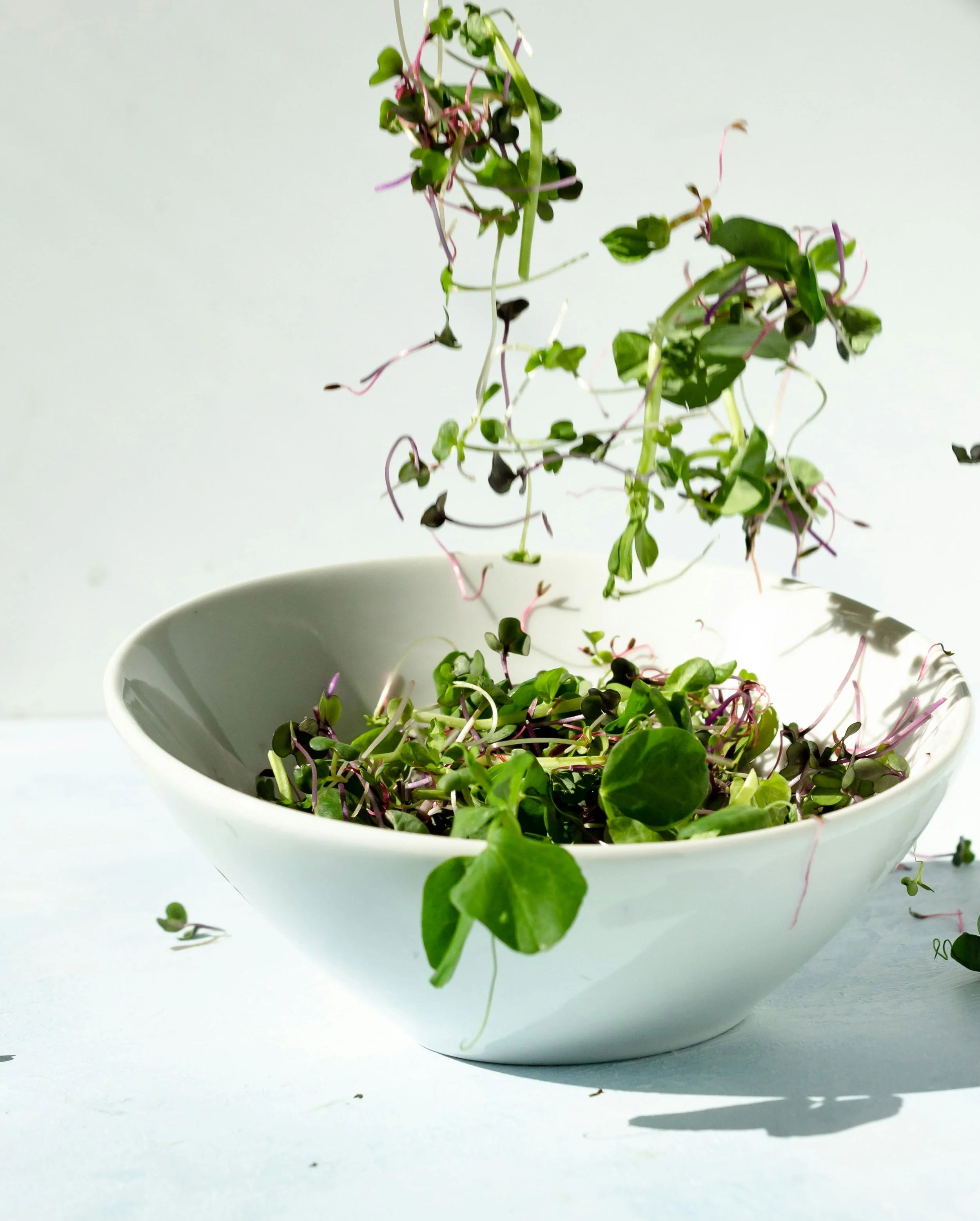
Some commonly used bitter herbs include gentian, dandelion, arugula, radicchio and chicory. An easy way to implement bitters into your meal is to start it with a salad made of bitter greens.
Tinctures and teas can also be a great way to get your bitters in before meals, especially if you do not have access to bitter greens.
Betaine HCL Supplementation: What to Know
Betaine HCL supplementation can also be helpful in some individuals. Betaine HCL acts as an additional source of HCL in the stomach.
Although it is often quite effective, betaine needs to be used with care and under the guidance of a physician as it can be harmful if a gastric ulcer is present.
The Bottom Line on Hypochlorhydria
Healthy stomach acid production is necessary for optimal digestion. Stomach acid helps us to break down proteins, absorb nutrients from our food and decreases the risk of infection by foreign pathogens.
Stomach acid production decreases as we age but can also be compromised by chronic stress, certain medications, infections and/or stomach surgery. Fortunately, there are effective ways to naturally support healthy stomach acid levels including an effective stress management routine and supplementation with certain herbs or nutrients if necessary.

We are here to help!
If you suspect low stomach acid may be affecting your digestion or overall health, our naturopathic doctors can help you uncover the root cause and build a personalized plan to support lasting digestive wellness.
In person and virtual care.
References:
Banoo H et al. Implications of Low Stomach Acid: An Update. RAMA Univ J. Med Sci 2016;2(2): 16-26
Kines K, Krupczak T. Nutritional Interventions for Gastroesophageal Reflux, Irritable Bowel Syndrome, and Hypochlorhydria: A Case Report. Integr Med (Encinitas). 2016;15(4):49-53.
Heda R, Toro F, Tombazzi CR. Physiology, Pepsin. [Updated 2020 May 24]. In: StatPearls [Internet]. Treasure Island (FL): StatPearls Publishing; 2020 Jan-.
