Natural Allergy Prevention & Support: A Naturopathic Approach
By Dr Meg Arlt
Why Do Allergies Happen? The Root Cause Explained
Allergy symptoms result from the release of histamine, a chemical produced and stored by mast cells. Exposure to substances recognized as "foreign" to the body (animals, dust, mold, pollens, etc.) triggers the release of histamine. Over-the-counter antihistamines, such as Claritin, work by blocking histamine receptors.
From a naturopathic perspective, allergies are linked to:
Immune system imbalance
Gut health dysfunction
Hormone imbalance
Chronic inflammation
Natural Strategies for Allergy Prevention & Support
Start Early
One of the most important strategies in natural allergy care is starting before symptoms begin. Ideally, this would happen 1-2 months prior to the start of allergy season or when allergies typically start.
Maintain Overall Health
The more the foundations of health are dialed in, the greater resilience someone typically has to symptoms of all kinds. The basics include healthy sleep habits, stress management, adequate hydration, a nutrient-rich diet, and regular movement.
Focus on Gut Health
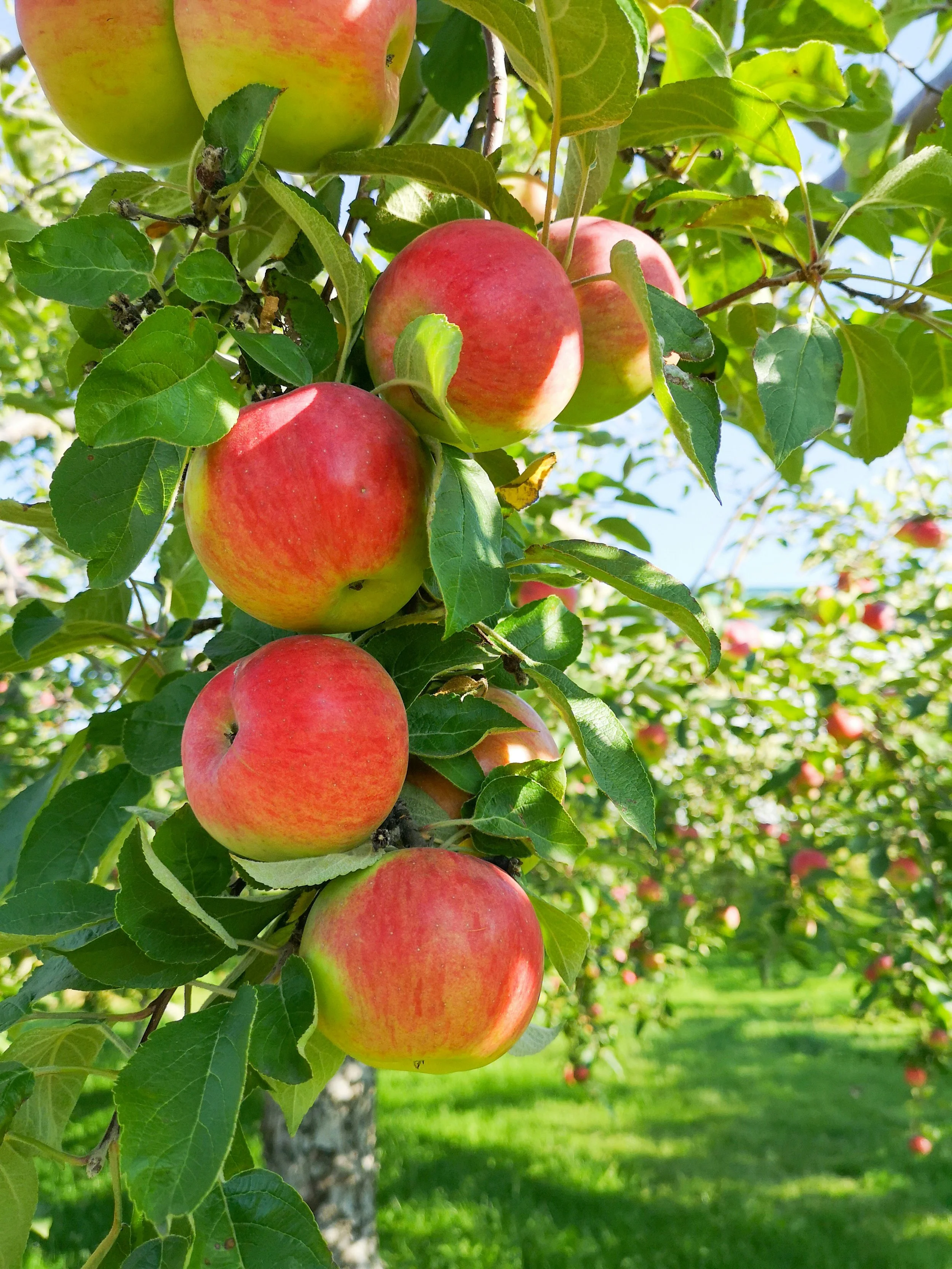
There is a strong link between immune health and gut health. Maintaining a balanced microbiome can lower the likelihood of allergies.
Supportive approaches to support the microbiome:
Aim for 30 or more plant-based foods throughout the week
Incorporate probiotic-rich foods – yogurt, kefir, sauerkraut
Focus on getting enough fiber – vegetables, fruits with skins, beans, whole grains
Consider a targeted probiotic supplement
Consider Hormonal Influences
Estrogen and histamine influence each other in a two-way relationship. Estrogen can increase histamine release from mast cells, and histamine, in turn, can promote higher estrogen activity. This feedback loop can increase sensitivity to allergens during times of hormonal fluctuation, such as the luteal phase, pregnancy, and perimenopause.
To encourage estrogen balance:
Eat a fiber-rich, whole foods diet
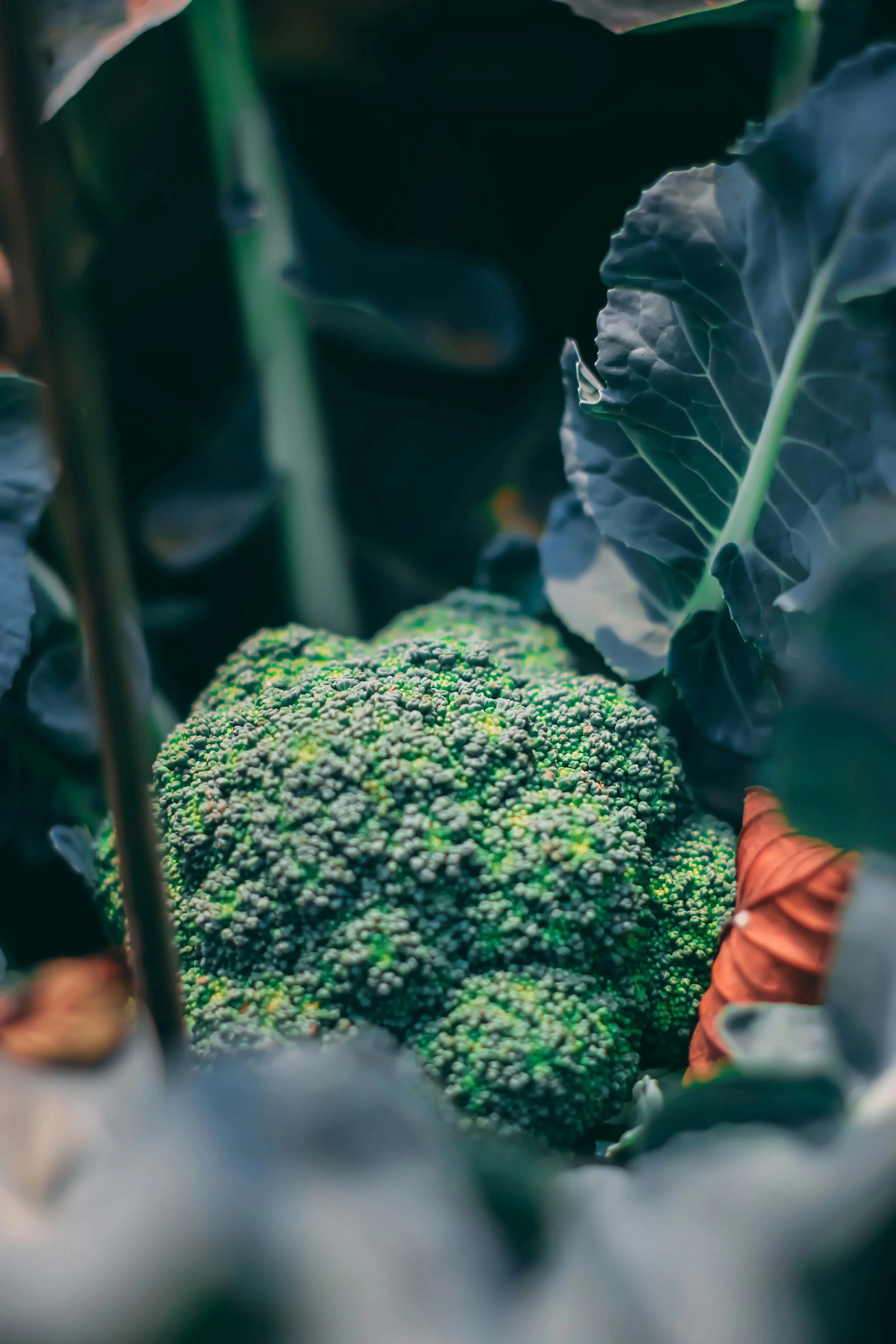
Regularly consume cruciferous vegetables – broccoli, kale, Brussels sprouts
Avoid alcohol
Maintain regular, daily bowel movements
Choose glass over plastic for water bottles and food containers
Reduce Histamine Load
Certain foods are high in histamine, while others can trigger its release. During allergy season, consider limiting:
Alcohol
Aged cheeses
Processed meats
Fermented foods
Leftovers
Create an Allergy-Friendly Home Environment
Creating an allergy-friendly home environment can significantly reduce exposure to triggers and help keep symptoms managed.
Small, consistent changes that make a big difference:
Use a HEPA air filter
Keep windows closed on high-pollen days
Keep shoes at the door
Shower and change clothes after being outdoors
Wash bedding weekly in hot water
Vacuum regularly
Natural Supplements and Herbs for Allergy Support
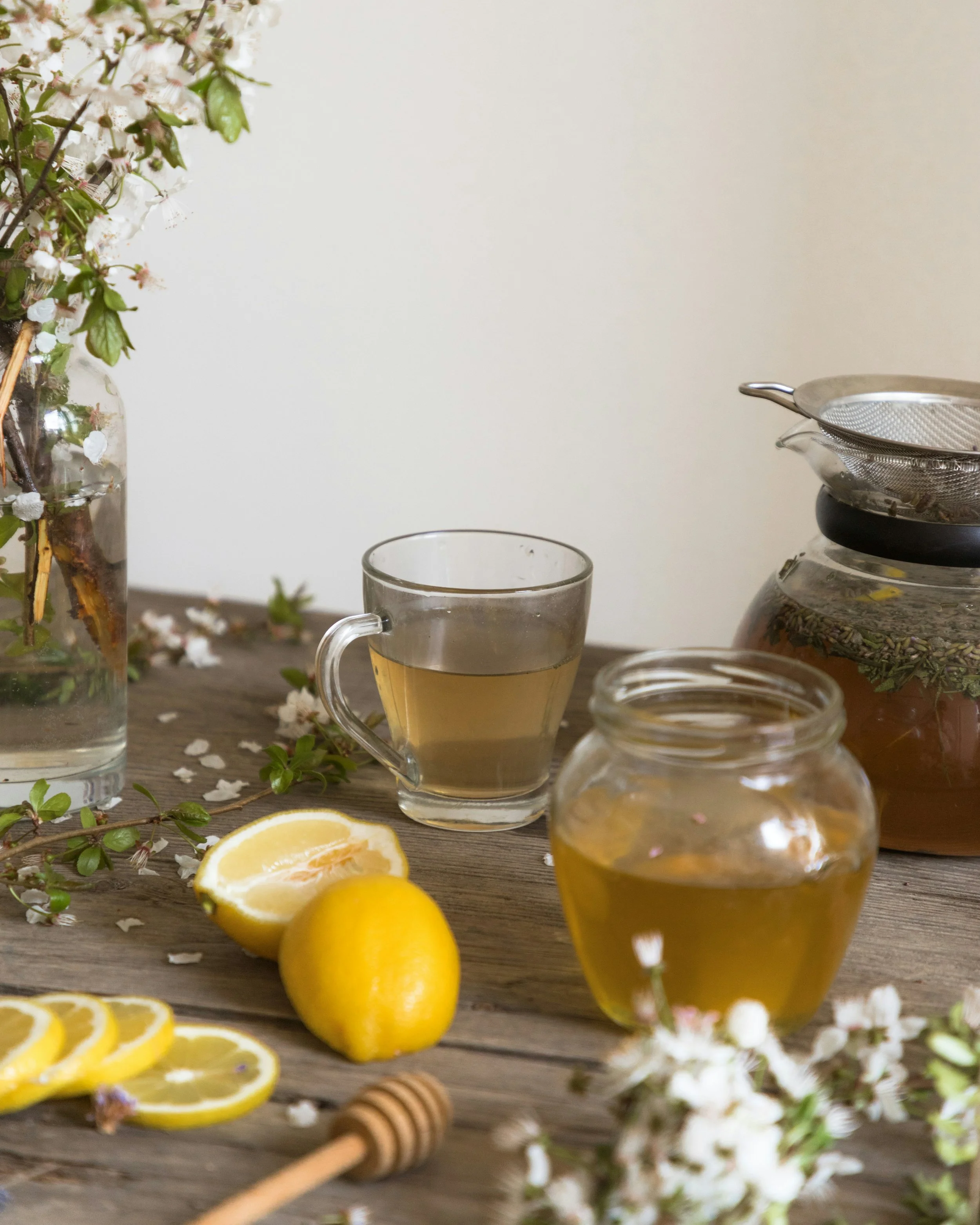
These are commonly used allergy-supportive herbs, nutrients, and remedies:
Quercetin
Vitamin C
Stinging Nettle
Ginger & Turmeric
Local honey
Saline nasal spray
How Our Team Can Help
Individualized treatment is the most effective strategy for allergy prevention and support. At Terrain, we can help by offering:

Food intolerance testing
Gut health assessment
Individualized prescription of herbs, supplements, and homeopathic remedies
Acupuncture
If you are feeling anxious about the upcoming allergy season or are already struggling with symptoms, please reach out. We would be honored to support you.
