Understanding Low Testosterone in Women: Symptoms, Testing, and Natural Ways to Restore Balance

By Dr Emily Wiggins
Low testosterone in women is more common than many realize. Even though testosterone is often labeled a “male hormone,” it plays a key role in a woman’s energy, metabolism, libido, muscle tone, and emotional resilience. At our clinic, we see many women experiencing symptoms of hormone imbalance without knowing testosterone may be part of the picture.
This guide will help you understand the symptoms of low testosterone, how to test properly, and the safest natural lifestyle and herbal supports for restoring healthy levels.
Why Testosterone Matters for Women

Women produce testosterone in the ovaries and adrenal glands, and even small decreases can have widespread effects.
Healthy levels support:
Libido and sexual vitality
Mood balance and emotional wellbeing
Lean muscle mass
Metabolism and healthy weight
Cognitive clarity
Bone density
Overall energy and motivation
Women’s hormone health, especially during perimenopause and menopause, depends on testosterone as much as estrogen and progesterone.
Common Symptoms of Low Testosterone in Women
Symptoms often overlap with other hormonal issues, which is why proper testing is key.
Signs of low testosterone may include:
Low libido
Fatigue or decreased energy
Loss of motivation or drive
Mood swings or irritability
Difficulty building muscle
Increased body fat (especially abdominal)
Thinning hair
Poor concentration or brain fog
Reduced confidence or vitality
These symptoms, combined with stress or nutrient depletion, often point toward female hormone imbalance.

Causes of Low Testosterone in Women
Several physiological and lifestyle factors can contribute to declining androgen levels:
Chronic stress and high cortisol
Perimenopause and menopause
Long-term use of hormonal birth control
Thyroid dysfunction
Nutrient deficiencies
Low cholesterol or restrictive diets
Overtraining or excessive cardio
Autoimmune conditions impacting the endocrine system
Understanding the underlying cause allows for more effective, targeted treatment.
How to Test for Low Testosterone
Accurate testing is essential for identifying hormonal imbalances in women. At Terrain Natural Medicine, we look at a full hormone picture, not just a single number. We also us “optimal” ranges for lab rather than just “normal” ranges.
1. Serum (Blood) Testing
This includes:
Total testosterone
Free testosterone
SHBG (sex hormone–binding globulin)
High SHBG can bind testosterone, creating symptoms of low free testosterone even if total levels look normal.
2. DUTCH Test (Dried Urine Analysis)
Provides a comprehensive look at:
Testosterone production
Androgen metabolism
Adrenal health
Cortisol patterns
DHEA levels
This test is especially helpful for understanding HPA axis dysregulation aka adrenal fatigue, perimenopause, and chronic stress.
3. Additional Markers
DHEA-S
Estradiol and progesterone
Thyroid panel
Vitamin D
Fasting insulin
A whole-systems approach leads to better outcomes in overall hormone balance.
Natural Ways to Improve Low Testosterone in Women
Before considering any advanced interventions, most women benefit significantly from rebuilding the foundations of hormone health.
Lifestyle Support for Healthy Testosterone
Lifestyle changes can go a long way to improving testosterone levels. Optimizing nutrition, strength training, stress management, and high quality sleep are all essential. We can’t stress the need for this solid foundation enough!
Herbal and Nutritional Supports for Low Testosterone
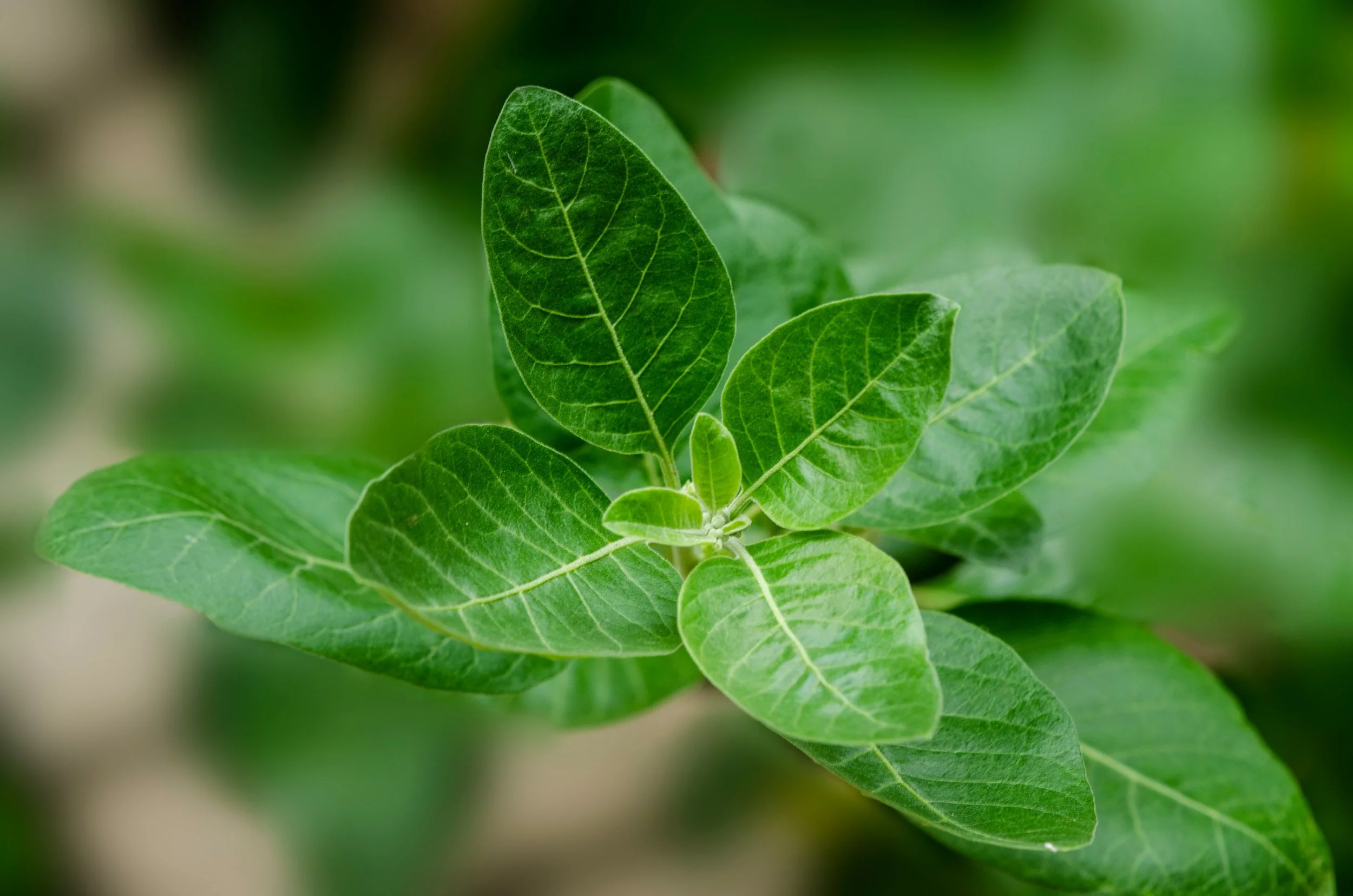
Botanical medicine can be incredibly effective for supporting and restoring hormone balance. Make sure to consult your provider before starting any new supplements and we always recommend working with a provider to customize a treatment plan that ensures dosing of any herbs or nutrients at safe and effective levels.
Shilajit - Supports energy production, mineral status, and hormone synthesis.
Maca Root - A gentle, adrenal-balancing herb that supports libido, mood, and perimenopause symptoms.
Tribulus terrestris - Widely used to support ovulation, libido, and androgen pathways in women.
Ashwagandha - Reduces stress and supports adrenal health, indirectly helping testosterone and DHEA production.
Nutrients for Testosterone Support
Zinc
Vitamin D
Magnesium
B vitamins
Omega-3 fats
These nutrients act as cofactors in hormone synthesis and adrenal function.
6. Adaptogenic Herbs
Rhodiola
Schisandra
Holy basil
These help regulate stress hormones, a key factor in restoring testosterone naturally.
Final Thoughts

Low testosterone in women is a common, but often overlooked, cause of fatigue, low libido, mood changes, and decreased vitality. The good news is that with proper testing, lifestyle shifts, and targeted herbal support, hormone balance can often be restored naturally.
At Terrain Natural Medicine, we take a comprehensive, root-cause approach to hormone health so you can feel energized, grounded, and connected to yourself again.
If you suspect you may be experiencing low testosterone or other hormone imbalance we’re here to support you.
