Root Causes of Hair Loss in Women
By Dr Meg Arlt
Iron Deficiency
When evaluating for iron-related causes of hair loss, we’re looking at a complete blood count (CBC) and an iron panel including ferritin (the storage form of iron). These labs help identify true iron deficiency as well as low or suboptimal ferritin levels, both of which can contribute to hair loss. It’s important to note that lab values considered “normal” may not be sufficient and can still result in hair loss and other symptoms such as fatigue, easy bruising, or shortness of breath.
Root Causes of Iron Deficiency
Heavy or prolonged periods
Plant-based or low-iron diets
Digestive issues affecting absorption
Increased nutrient demand during pregnancy and postpartum
Thyroid Dysfunction as a Reason for Hair Loss
The thyroid affects numerous systems in the body, including hair, skin, and nails. Those with sluggish thyroid function often experience increased hair shedding and slower regrowth. As with iron, even suboptimal thyroid levels can produce noticeable symptoms. For this reason, we use a narrower reference range than conventional labs.
Full Thyroid Assessment Includes
TSH
Free T3
Free T4
Thyroid antibodies (if indicated)
Hormonal Fluctuations & Imbalances
We often see hair loss resulting from hormonal shifts, such as in the postpartum period and during perimenopause. In both cases, this is due a drop in estrogen. Hormone imbalance, as in the case of PCOS, comes with hair loss as well, though is due to elevated testosterone.
Stress
Significant stress, whether emotional or physical, can shift hair follicles into their shedding phase. Hair loss typically appears about 2–3 months following a known stressor. With chronic stress, we see this impact the thyroid, sex hormones, and/or blood sugar, all in a way that can negatively affect hair.
Common Triggers of Hair Loss
Illness or infection
Surgery
Major life events – car accident, loss of loved one, etc.
Chronic sleep deprivation
Rapid weight loss
Nutrient Depletion as Cause for Hair Loss
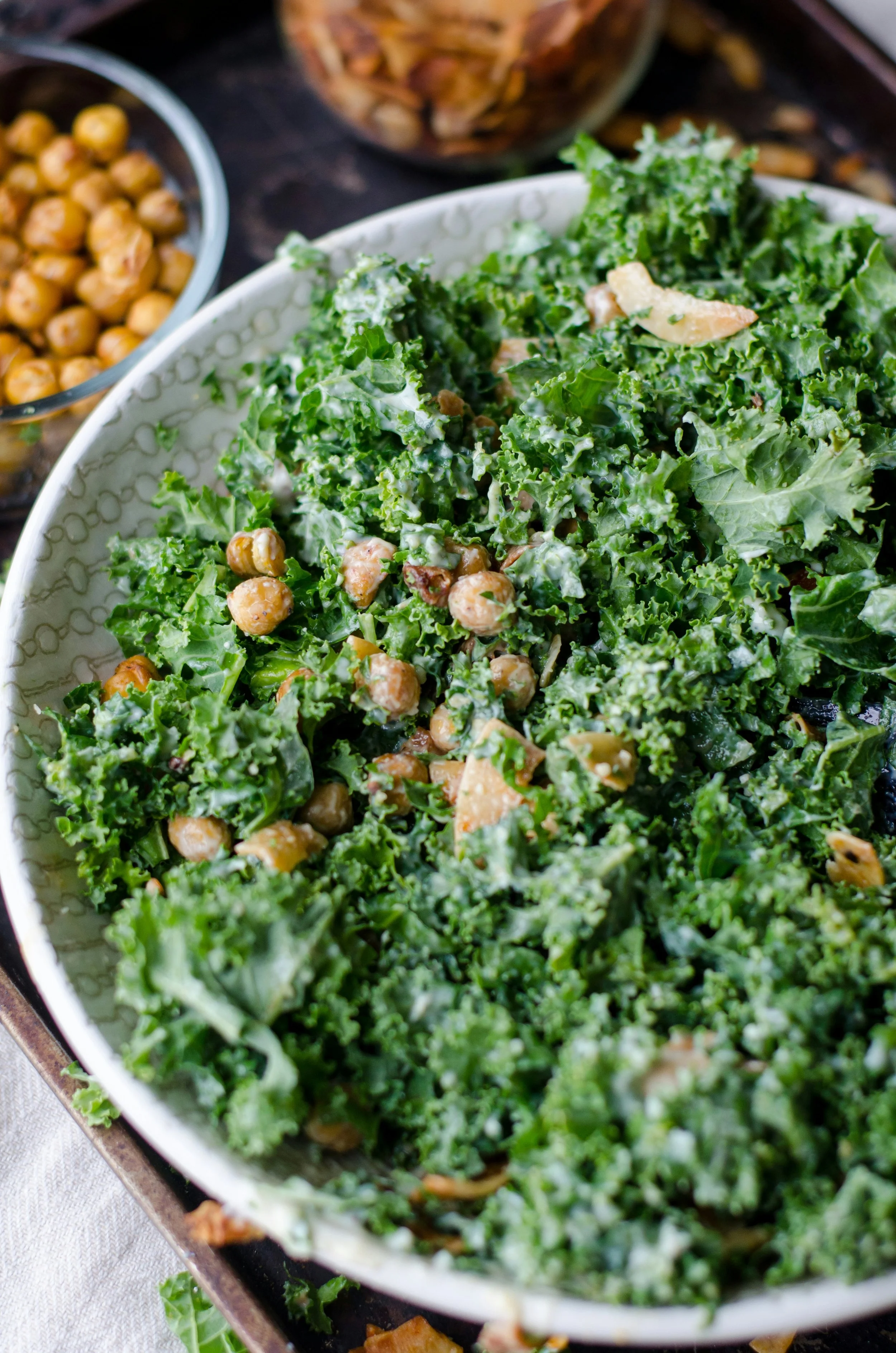
Healthy hair growth depends on adequate nutrition. While biotin is most associated with hair support, there are many essential nutrients. We prefer patients get these through a balanced diet, though recognize there are times when supplementation is helpful.
Key Nutrients
Iron
Zinc
Vitamins A, D, & E
Protein and amino acids
Omega-3 fatty acids
Gut Dysfunction
Nutrient absorption is dependent on gut health. Acute and chronic gut inflammation can hinder uptake of key nutrients needed for hair and overall health.
Potential Contributing Factors
IBS
SIBO
Inflammatory gut conditions
Food intolerances
Autoimmune Conditions
While most hair loss presents as generalized shedding, some cases involve patchy hair loss. This pattern is often associated with alopecia areata, an autoimmune condition where the immune system attacks hair follicles. Other autoimmune conditions that can contribute include Hashimoto’s, Graves’ disease, lupus, and psoriasis.
Medications
Medication-related hair loss is often overlooked but important to consider. This can include hormonal birth control, GLP-1 medications, and certain other drugs. If you are taking a medication long term, and are experiencing hair loss, it is worth looking into this potential.
Naturopathic Approaches to Support Healthy Hair
Nutrition
Ensure that you are consuming enough calories, protein, and healthy fats
Eat a variety of colorful fruits and vegetables
Incorporate nutritive teas such as nettle, burdock, horsetail, and oat straw
For those with PCOS, consider spearmint and green tea
Stress Management
Identify stressors and develop a plan to manage them
Practice daily routines to process and release emotions, such as meditation, journaling, yoga, or exercise
Include calming herbal teas like chamomile, lemon balm, passionflower, and lavender
Work Up
Address gut, hormone, and other health-related concerns
If no recent labs have been done, start with basic labs – CBC, iron panel with ferritin, TSH, free T3, free T4
Depending on individual needs, consider Hair Tissue Mineral Analysis (HTMA), Caroll food intolerance test, DUTCH test, and/or comprehensive stool analysis

We are here to help!
Hair loss is common, but you’re not alone. Connect with our naturopathic doctors to uncover your root cause and learn about ways to support both your hair and overall health.
Book online to see us in person or virtually.
